Various Proctor pot sizes used (100 mm, 150 mm, 250 mm)
Oedometer Test:
Conducted according to Schulze/Muhs for soil consolidation and settlement behavior
We offer specialized tests to assess soil behavior under different conditions and to ensure the stability of foundations and other structures:
Frame Shear Test (according to DIN EN ISO 17892-10):
Performed for both sloppy floors and cohesive soils to evaluate shear strength
Permeability Coefficient Determination:
According to DIN EN ISO 17892-11 using a variable hydraulic gradient to assess water flow through soil
Ignition Loss Determination (according to DIN 18128):
Measures the loss of mass in soil during heating, helping assess organic content
Our laboratory tests for critical properties and consistency limits that influence soil performance in construction:
Grain Density Determination:
Using capillary pycnometers according to DIN EN ISO 17892-3
Water Content Determination:
Performed according to DIN EN ISO 17892-1 to assess moisture levels in soil
Consistency Limits Determination:
Performed according to DIN 18122 to evaluate soil consistency under various conditions
Shrinkage Limit Determination (according to DIN 18122-2):
Used to assess the soil’s behavior during drying and shrinking
We perform soil classification and suitability testing to determine the best materials and methods for construction:
Classification of Coarsely Recycled Aggregate (according to DIN EN 933-11):
For assessing the quality of recycled materials for use in construction
Water Permeability Test (according to DIN 18035):
Test for suitability in sports fields and other infrastructure projects
Suitability Test for Soil Improvements with Binders:
Conducted in accordance with TP BF-StB Part B 11.3 for assessing the viability of soil improvement techniques
ICP INGENIEURE GmbH
Soil Mechanics
Soil mechanics is the study of soil properties and behavior under various conditions, crucial for determining the stability and load-bearing capacity of the ground for construction and engineering projects.
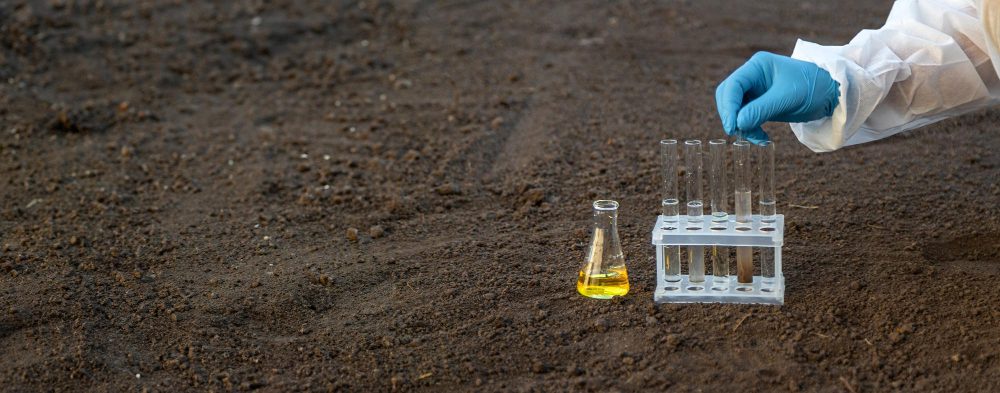
ICP Engineers GmbH operates its own state-of-the-art soil mechanics laboratory, where our team of experts carries out a variety of standardised test procedures - for classifying soils and analysing their strength and deformation behaviour. These tests are essential for assessing the suitability of soils for construction projects and ensuring the stability of foundations.
Our soil mechanics laboratory adheres to the highest standards, providing reliable and precise results that inform critical project decisions.
Additional Considerations for Soil Mechanics Testing
Selecting the optimal soil testing methods is guided by several important factors to ensure comprehensive and reliable results:
Providing meaningful insights into soil properties that directly support the foundation and construction planning process
Ensuring cost-effectiveness by selecting the most appropriate testing methods for the specific project, ensuring accurate results without unnecessary costs
Timely execution to guarantee that soil testing is completed promptly, avoiding delays in the overall construction timeline
Maintaining compliance with industry standards to ensure that all tests adhere to local and international regulations, providing trustworthy data
The laboratory of the ICP Engineers GmbH ensures that every project is underpinned by precise, meaningful and standard-compliant soil data - for well-founded decisions and reliable construction planning.





 EN
EN  DE
DE  FR
FR