The choice of exploration technique is guided by the following principles to ensure optimal results:
Delivering meaningful and relevant information for the investigation's goals
Cost-effective processes to minimize project expenses
Timely execution to meet project schedules
Field damage neutrality, particularly in sensitive areas
We use a range of industry-standard equipment and techniques, ensuring efficient and accurate investigations:
Probing Caterpillar: For most terrains, with drilling diameters up to 100 mm
Pile Driving & Probing Equipment::
Small ram bores according to DIN EN ISO 22475-1
Light, medium, and heavy pile driving soundings (DIN EN ISO 22476-2)
Small ram drillings:
Effective for outcrops in loose rock up to approx. 8 meters depth
Ends once bedrock horizon is reached
Hand-held Equipment: Used for difficult-to-access terrains
For larger projects or specific site conditions, we employ advanced methods:
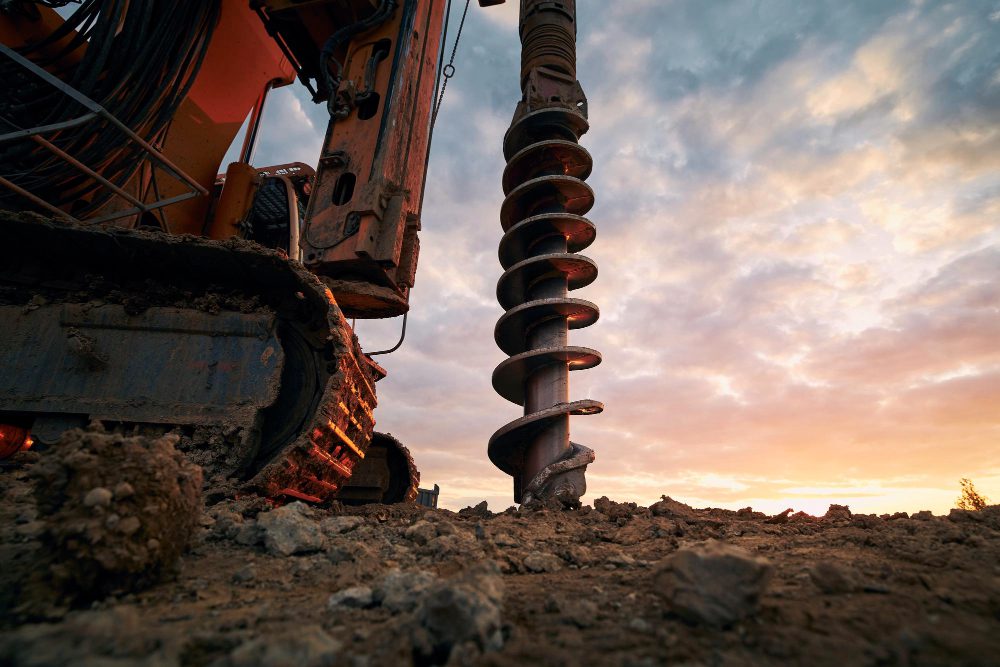
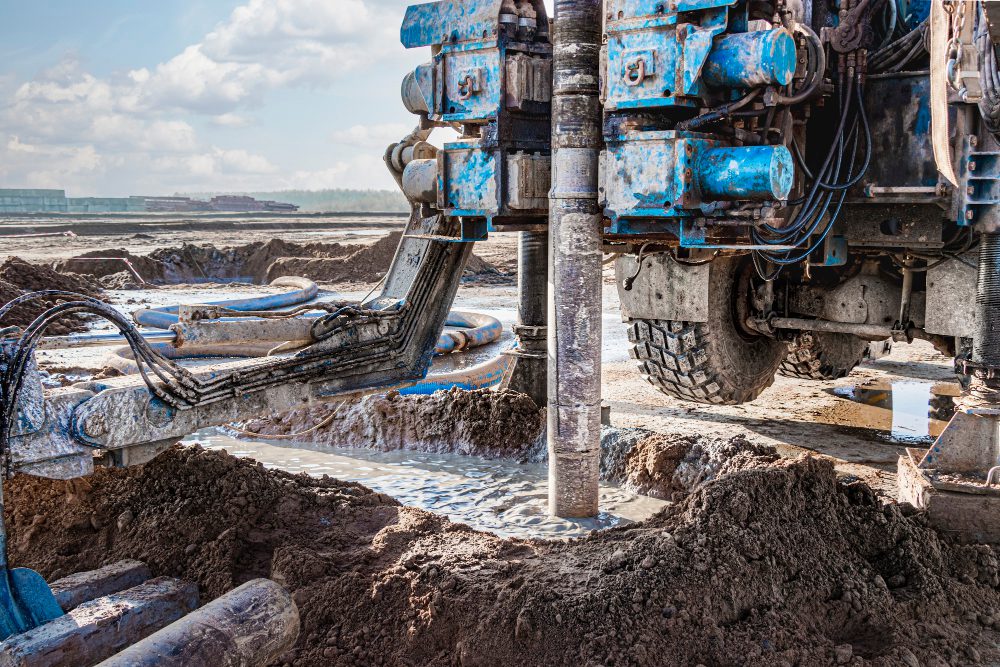
Core Drilling:
Depths up to 25 meters with a diameter of 146 mm
Suitable for both loose rock and solid rock formations
Can be expanded into groundwater measuring points or inclinometer measuring points
Specialized Drilling:
Larger diameters and depths, tailored for complex requirements
Non-destructive geophysical investigations in collaboration with specialist companies
In addition to drilling and probing, we utilize a variety of excavation and support equipment to enhance our investigations:
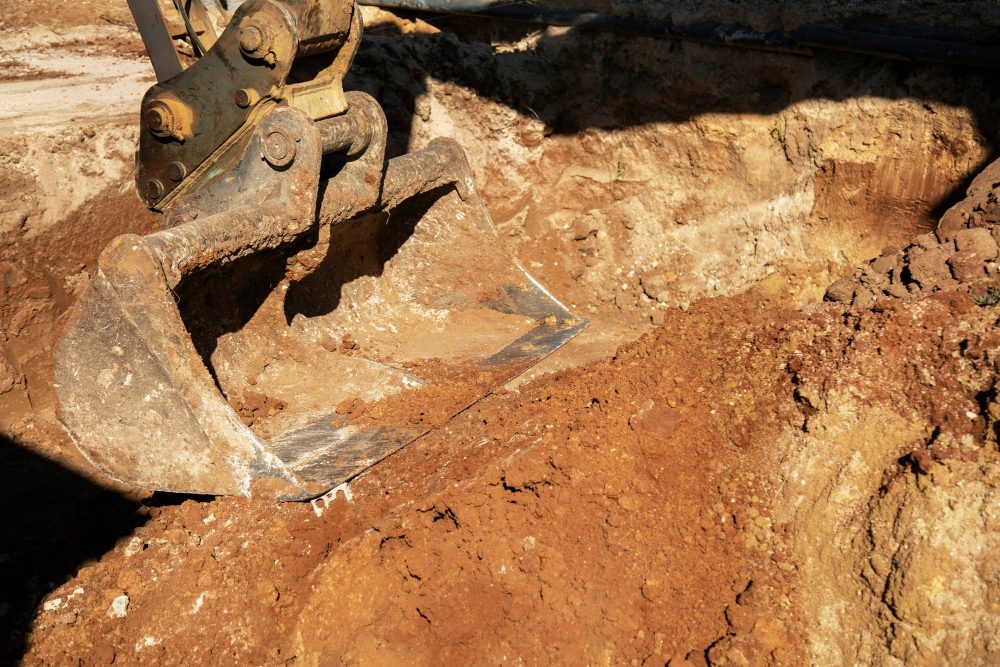
Hydraulic Excavator: For carrying out excavator trenches
Custom Solutions: Tailored approaches for challenging terrain or specific project needs
ICP INGENIEURE GmbH
Outcrops
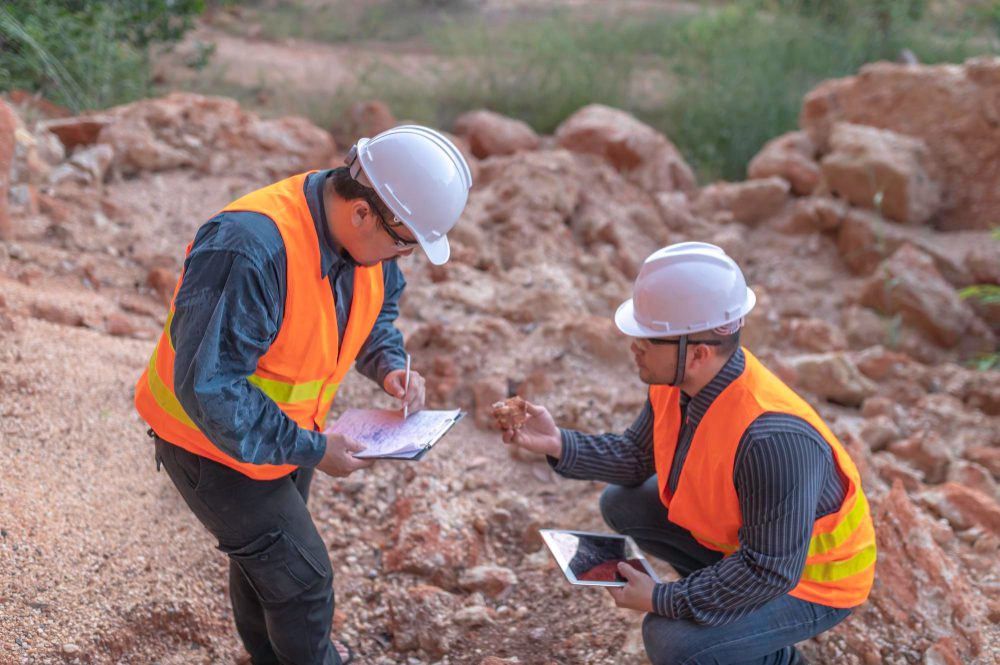
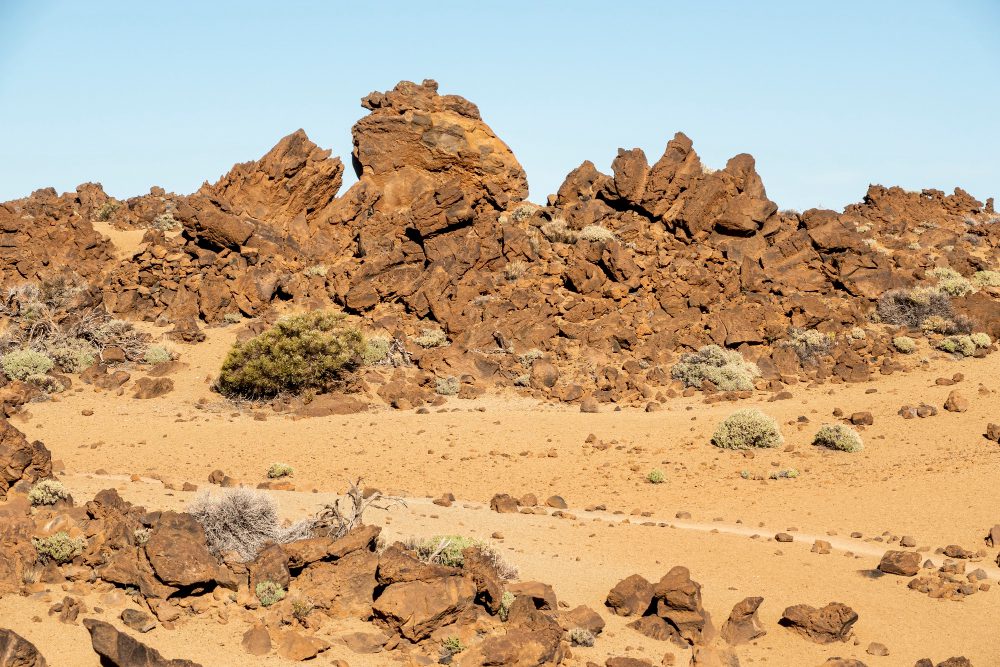
Outcrops are visible exposures of bedrock or ancient geological layers at the Earth’s surface, providing direct insight into subsurface conditions critical for site assessments.
Outcrop investigations are essential for gaining detailed insights into ground conditions and ensuring the integrity and sustainability of construction projects. Our experts carry out these investigations using a combination of direct and indirect exploration methods, which are selected on a project- and site-specific basis.
Additional Considerations for Outcrops
The selection of the most appropriate method for subsoil exploration through outcrops is guided by several key principles to ensure precise and effective results:
Providing meaningful insights into subsurface conditions, ensuring that the data collected aligns with the specific goals of the project
Ensuring cost-effectiveness by choosing exploration methods, that maximize value while minimizing unnecessary expenses
TimelyüExecutionto ensure that investigations are completed according to project timelines, preventing delays in construction or planning
Minimizing environmental and field damage, particularly when working in sensitive or developed areas, to avoid disrupting the surrounding environment
By following these principles, each outcrop investigation delivers accurate, reliable data that supports project decision-making while maintaining compliance with environmental and regulatory standards.
 EN
EN  DE
DE  FR
FR